
Bird ID Skills: How to Learn Bird Songs and Calls
May 9, 2024When a bird sings it's telling you what it is and where it is. Learn bird calls and open a new window on your birding.
Learning Songs & Calls | Basic Parts of a Song | Spectrograms | Mnemonics
Last updated March 2026; originally published April 2009.
Learning bird songs is a great way to improve your birding. Your ears can give you a solid step up when dealing with dense foliage, faraway birds, birds at night, or birds that look identical to each other. Plus knowing bird songs just makes the outdoors feel more familiar.
There’s a reason people often use the word “birding” instead of “birdwatching”—it’s because listening opens up a whole new dimension. Your eyes see straight ahead, but your ears pick up birds from all directions, letting you take a quick survey of what’s around before you even pick up your binoculars. And by getting to know even a few bird calls, you can focus in on new sounds you don’t recognize that much more quickly.
We have lots of resources to help you explore, learn, and enjoy bird songs and calls. This page walks you through some of our most popular articles and videos.
Start with Merlin Sound ID
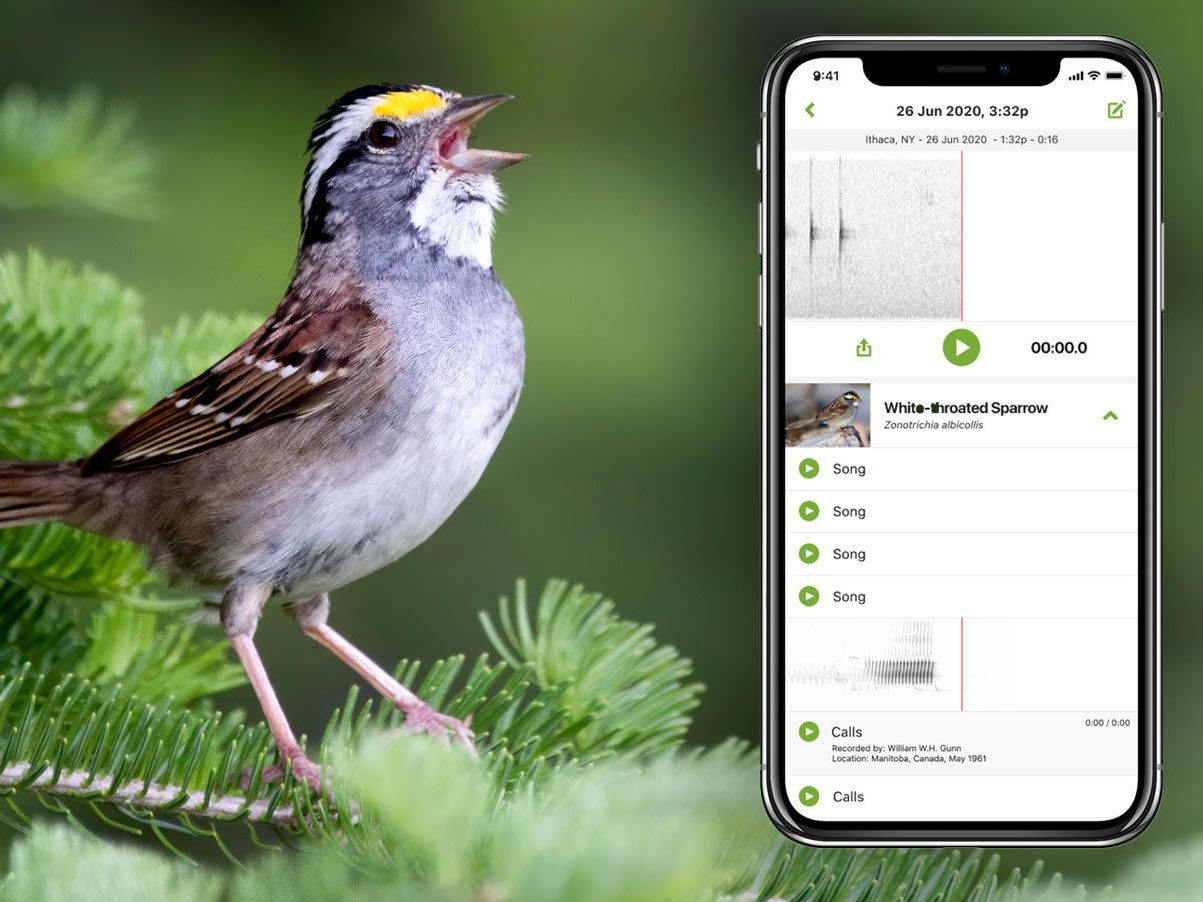
In 2021, our Merlin app launched a Sound ID feature that made it much easier to dip a toe into the world of bird sounds. With Merlin’s help, lots of people were able to put names to the myriad bird sounds going on all around them—and found it addictive.
Use Merlin Sound ID as your entreé into the world of sound. The app listens, identifies songs it hears, and even flashes the names of birds while they’re singing. This makes it much easier to focus on one or a few sounds and to find their singers. But think of Merlin as a knowledgeable friend offering suggestions—it’s not always right, but it’s always helpful. So use it as a starting point, not an end point, in your song learning.
How to Learn Bird Songs
1. Watch Birds
Singing
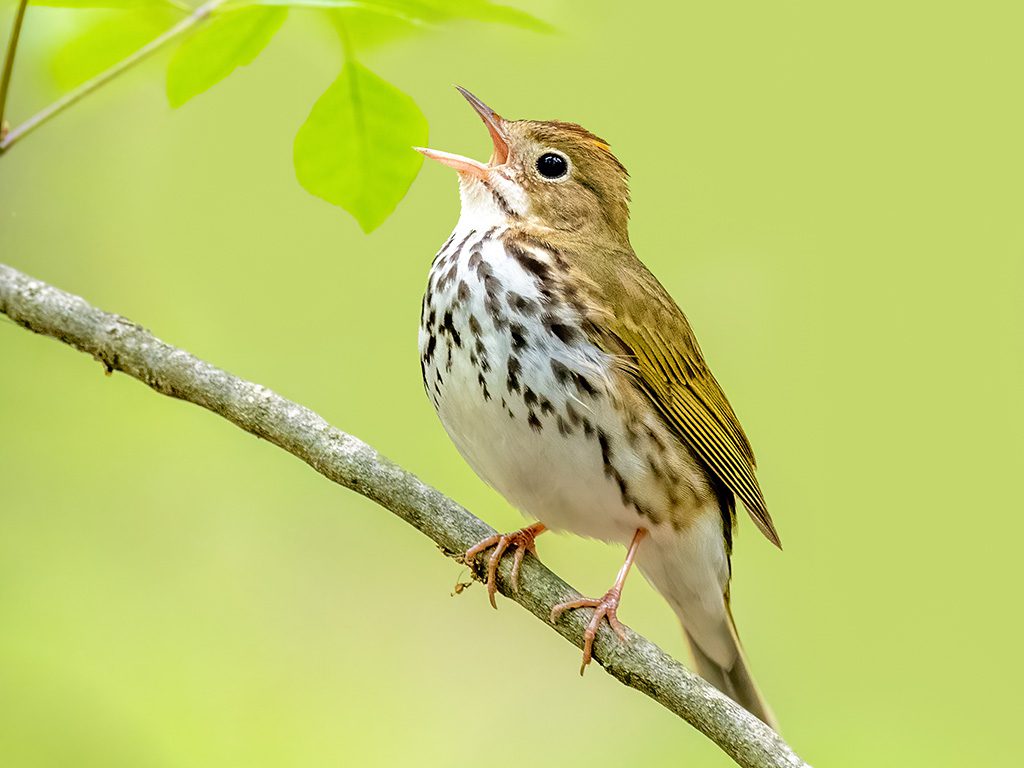
When you see a bird singing, the connection between bird and song tends to stick in your mind. So when you hear a new bird, make an effort to find the bird and watch it as it sings. By engaging more of your senses, you’ll remember it better.
Get started with this song video, which introduces you to 10 spring songsters that are common over much of North America.
Videos to Help You Learn Common Bird Songs
2. Know the Basic Types of Sounds Birds Make
Think about talking to a friend on the phone: their words are always changing, but you still recognize their voice instantly. It’s the same with bird songs: many birds can sing a huge variety of phrases, but their voices have a characteristic sound that you can learn to recognize.
Maybe your friend has a particularly high or deep voice; or a distinctive cadence. With birds, it helps to pay attention to four key vocal attributes: rhythm, repetition, pitch, and tone. Listening to each of these attributes helps you pick apart what’s distinctive about the sound; and it also gives you words to describe the sound (to yourself or a friend), so you can remember it.

3. Study a Song’s Details Using Spectrograms
If you’ve ever wished you could hit pause on a bird’s song so you could catch all the details, you’ll love spectrograms.
These simple, graphical representations of songs map out the pitch, tone, and volume of a bird’s song in a detailed image that you can study for as long as you like. In this article you’ll find lots of examples of different bird sounds, each paired with a spectrogram that you can watch, pause, and rewind while you play the song.

4. Mnemonics: Listen to What the Bird Is “Saying”
Some songs sound like they could be human speech—who can mistake the Barred Owl’s “Who cooks for you all?” Some bird songs may take a bit more imagination to put into words, but even so mnemonics can be very effective in connecting a song with a bird’s name.
5. listen to recordings
Spending time listening to recordings of birds can make them easier to recognize when you hear them in real life. Recordings can also help you pick out details of similar-sounding species, such as Chipping Sparrows, Dark-eyed Juncos, and Pine Warblers.
Use our Birds Near Me tool to quickly get a list of likely species from anywhere in the United States and Canada. You can play songs right from this list, or click through to the All About Birds species account to hear a wider range of vocalizations. This is a great way to explore the sounds of your hometown, and it’s also very helpful if you’re traveling to a new place and want to get a head start on what you’ll be hearing when you get there. To listen to even more sounds, and to hear the songs of virtually any bird anywhere in the world, use the Cornell Lab of Ornithology’s Macaulay Library archive.
It’s also always helpful to learn from other people. Check for a nearby bird club or nature reserve and join a bird walk or field trip. Other birders may be able to point out bird songs for you and suggest their own favorite mnemonics, tips, and tricks.
Go Deeper with Games and Courses from Bird Academy
Bird Academy is the Cornell Lab’s lifetime-learning group, making self-paced, online courses on a huge range of bird and nature topics. Some are free tools to introduce a topic, like Bird Song Hero, a game that gets you reading spectrograms while practicing with familiar birds.
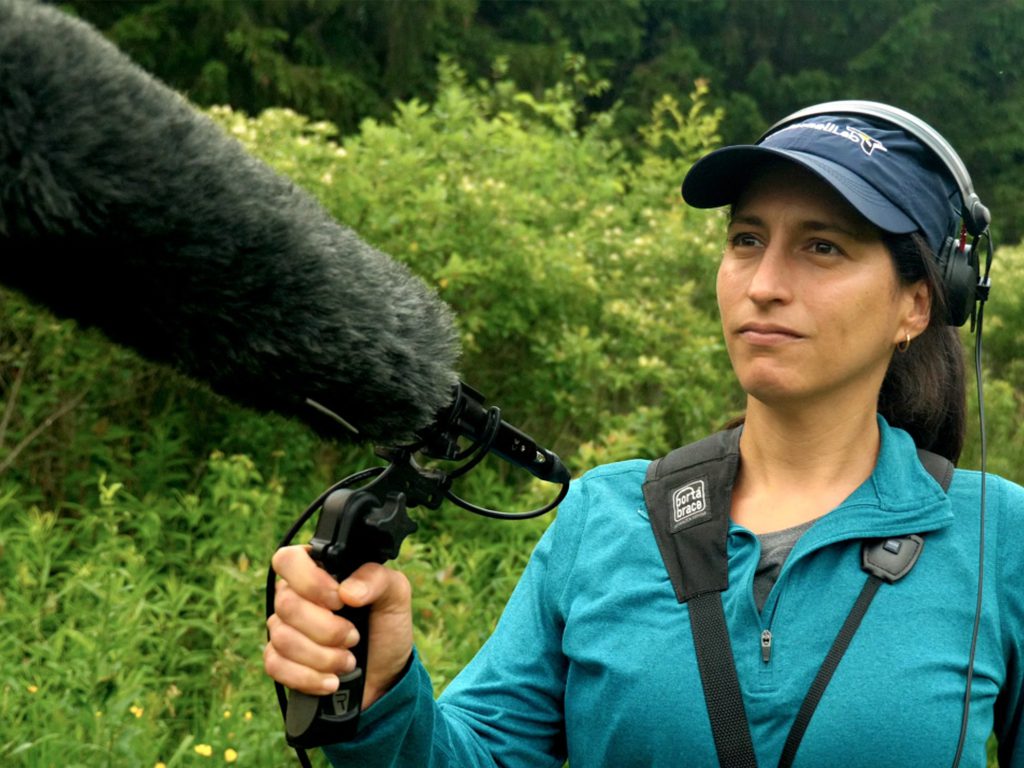
Bird Academy also has in-depth courses that can help you learn bird songs and calls; as well as a whole course on how to make flawless recordings of birds and other natural sounds.
And if you want something a little different, try the amazing BeastBox, a free game where you create your own beats and loops using snippets of animal sounds. You can have endless fun while training your ears and exploring the auditory world.


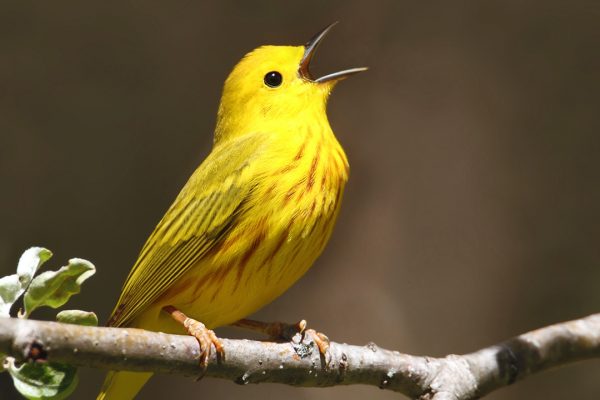
These Bird Songs Are Pure Enjoyment
Videos of Bird Songs and Sounds
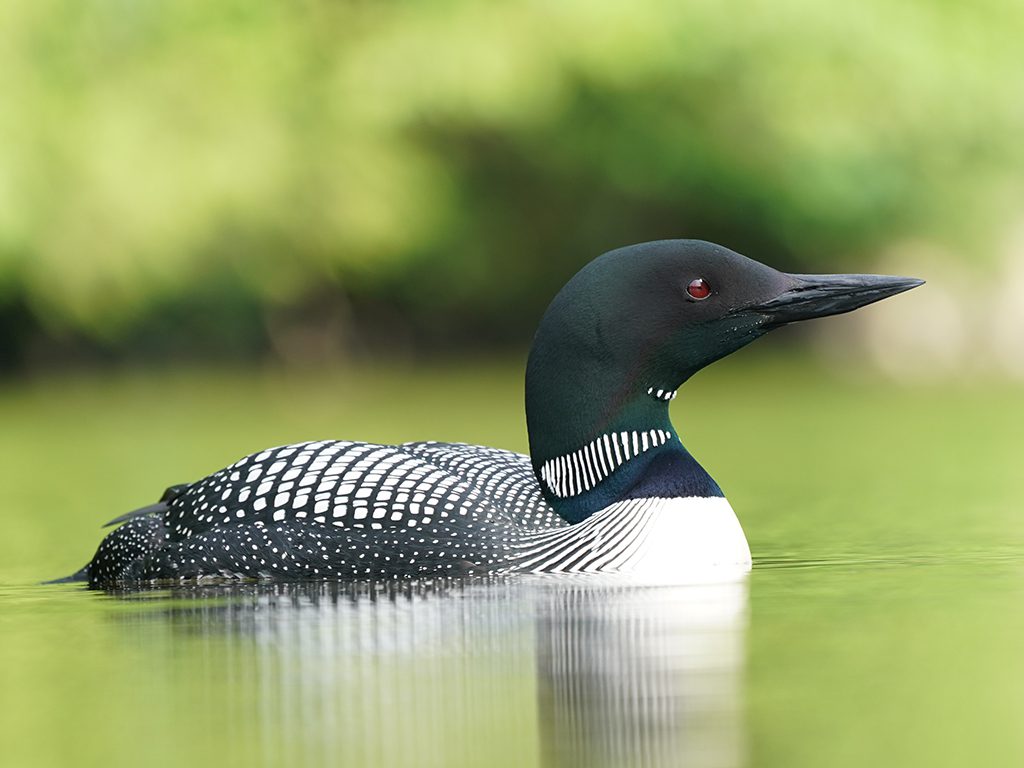




Articles About Bird Sounds




All About Birds
is a free resource
Available for everyone,
funded by donors like you
American Kestrel by Blair Dudeck / Macaulay Library